


Deep Cleaning Checklist: The 12 Details That Separate Clean From Truly Clean
March 30, 2026
Cleaning After Beach Days: The 15-Minute Reset That Saves Your Floors
April 11, 2026Mold Prevention Cleaning: The Spring Humidity Mistakes That Start the Problem
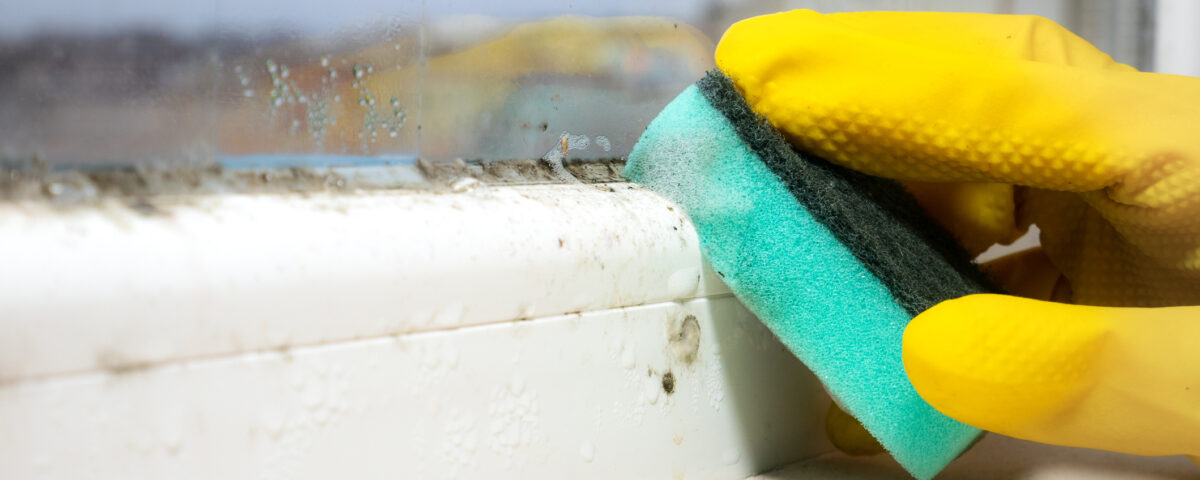
Woman is cleaning A lot of Black mold fungus growing on the windowsill at home. Dampness problem concept. Condensation on the window.
Coastal spring feels great in South Carolina, but humidity starts creeping up in April, even when the days still feel mild. That extra moisture doesn’t always show up as water you can see. Instead, it builds quietly in bathrooms, laundry rooms, closets and around windows, then mold starts forming before most people realize it. Mold prevention cleaning helps you stay ahead of that cycle, because once mold takes hold, it gets harder to remove and easier to spread.
Mold Prevention Cleaning Starts With the Moisture You Don’t Notice
Most mold problems begin with small habits that seem harmless. A damp towel gets tossed in a pile. A shower fan stays off because someone plans to “air it out later.” A wet bath mat never fully dries. Those little moments matter because mold loves steady moisture, warm air and still spaces. Mold prevention cleaning means you watch for moisture and you remove it quickly, then you clean the spots where it likes to grow.
Early Warning Signs That Mold Might Be Starting
Mold doesn’t always show up as a big black patch. It often starts as a smell or a subtle change in a surface. If a room smells musty even after you clean, that’s a sign you should look deeper. If you see dark specks along grout lines, around caulk, or near vents, that’s another clue. You might also notice peeling paint, bubbling drywall, or a damp feeling in closets and corners. During April and early May, those signs can show up fast in coastal homes, especially after rainy stretches.
Where Mold Likes to Form in Spring
Mold usually forms in places that stay damp, don’t get much airflow, or collect condensation. Bathrooms top the list, especially around shower grout, caulk lines, the base of the toilet and behind the toilet where airflow is poor. Laundry areas also cause problems because washers, hoses and drip pans can leak or stay damp without anyone noticing. Under sinks can turn into a mold zone when small leaks happen or cleaning supplies trap moisture. Window tracks, sills and frames can grow mold when condensation collects overnight, then sits all day. Closets can also surprise people, especially if clothes get stored before they’re fully dry or if the closet stays packed and tight with no airflow.
The Spring Humidity Mistakes That Start the Problem
One common mistake is skipping ventilation. If you shower with the door closed and never run the fan, steam settles on walls and ceilings and that moisture sinks into grout and paint. Another mistake is leaving wet textiles around, like bath mats, towels and beach gear. Damp fabric holds moisture in the room and keeps mold conditions alive. People also forget small leaks because they seem minor at first. A slow drip under a sink can create a damp cabinet base that turns musty, then moldy, before anyone sees it. Another mistake is pushing furniture tight against walls, especially on exterior walls. That blocks airflow and can trap moisture, so mold can grow behind furniture even when the room looks clean.
Cleaning Habits That Help Prevent Mold
Mold prevention cleaning works best when you focus on drying first, then cleaning second. In bathrooms, run the exhaust fan during showers and keep it running afterward. If you don’t have a strong fan, crack a window when the weather allows it and wipe down wet surfaces after use. Clean grout and caulk lines regularly, since soap scum holds moisture and feeds growth. In laundry rooms, don’t leave wet clothes sitting in the washer, and wipe down the rubber gasket if you have a front-loader, since moisture sits there. In kitchens and bathrooms, check under sinks often and wipe up small drips right away. Also, empty and dry drip trays when you find them, and don’t store damp sponges or wet rags in closed cabinets.
For closets, keep airflow moving. Don’t pack clothes too tightly and avoid storing items that still feel damp, like beach towels or gym bags. If a closet smells musty, pull items out, wipe surfaces clean and let the area dry fully before putting things back.
A Clean, Dry Home Feels Better All Spring
Humidity doesn’t have to turn into a mold problem. When you spot the early signs, keep airflow moving and stay consistent with mold prevention cleaning, you can protect your home and avoid bigger headaches later. If you want help getting ahead of spring moisture, Pristine Property Services can deep clean the hidden problem areas and help your home stay fresh. Call us today and let’s get your space ready for the season.
FAQs
1. What is the best mold prevention cleaning routine for spring in South Carolina?
A strong routine focuses on keeping damp areas dry, running bathroom fans, wiping down wet surfaces and cleaning grout and caulk lines regularly. It also helps to check under sinks and around windows for moisture so you can catch issues early.
2. What should I do first if I notice a musty smell in my home?
Start by looking for moisture sources like wet towels, damp mats, slow leaks and condensation around windows. Then clean and dry the area thoroughly, and keep airflow moving so the space can fully dry.
3. Where does mold usually start in a house during humid spring weather?
Mold often starts in bathrooms, laundry rooms, under sinks, window tracks and closets with poor airflow. These areas hold moisture longer, so they need extra attention during spring.